
There’s no denying it—teaching today looks a lot different from what it did even ten years ago. Chalkboards have been replaced by smartboards, textbooks by tablets, and homework assignments are now turned in through the cloud. Welcome to the digital age of education, where innovation moves quickly and the traditional classroom has gone through a serious upgrade.
But while change can be intimidating, many educators are doing more than just keeping up—they’re finding ways to thrive. Whether it’s learning new tech tools, adjusting their teaching style, or rethinking the role of the classroom entirely, teachers today are proving that adaptability is one of their greatest strengths.
Embracing EdTech as a Classroom Companion
The rise of education technology (EdTech) has been a game-changer for many teachers. Instead of replacing traditional teaching, tech tools have become a powerful supplement. From interactive apps that help with math problems to platforms that let students collaborate from home, educators are learning how to weave tech into their lessons in ways that boost engagement without overwhelming. And it’s not about being perfect—it’s about experimenting, adjusting, and finding what works best for each group of learners.
Flipping the Script With Hybrid and Flipped Learning
Teachers are no longer confined to the front of the room, delivering lectures to rows of silent students. With hybrid and flipped learning models, students now do much of the content review at home—through videos or readings—and spend class time engaging in discussions, projects, and deeper learning. This shift has allowed educators to become facilitators rather than lecturers, focusing more on helping students process, apply, and explore ideas in a hands-on way.
Building Digital Literacy Right Alongside Students

In a world dominated by screens and algorithms, digital literacy has become just as important as traditional literacy. Teachers are finding themselves in the role of guide—not just through subjects like science and literature, but through the maze of online sources, fake news, and responsible social media use. Many educators are now incorporating media literacy and digital ethics into their curriculum, helping students become smarter, safer digital citizens.
Finding Creative Ways to Connect
One challenge of the digital shift is keeping human connection alive in tech-heavy environments. But educators have found creative ways to maintain strong relationships with students, even through screens. Virtual office hours, personalized feedback on assignments, and collaborative online projects have opened up new avenues for meaningful interaction. The tools might be digital, but the connection is very real—and many teachers say the relationships they build with students now are deeper and more personal than ever.
Continuous Learning Isn’t Just for Students

Perhaps one of the most impressive parts of teaching in the digital age is how open educators have been to learning themselves. Professional development now often includes webinars, podcasts, online courses, and tech bootcamps. Teachers are constantly evolving their skillsets to stay current and better serve their students. The mindset has shifted: teachers are lifelong learners too, and many have embraced that growth with energy and creativity.
The digital age has undeniably transformed the classroom—but it’s also revealed just how resilient, resourceful, and passionate educators really are. Rather than resisting change, many teachers are meeting it head-on, finding new ways to inspire and connect with their students. Whether it’s using a new platform, rethinking lesson plans, or simply learning alongside their classes, educators are proving every day that great teaching isn’t about the tools you have—it’s about how you use them. And in that sense, the future of education looks incredibly bright.…

 One of the most significant benefits of taking an IQ test is the self-awareness it brings. By understanding your cognitive strengths and weaknesses, you can tailor your learning and development strategies to maximize your potential. If, for example, you discover that your problem-solving skills are exceptional, you may pursue activities or careers that emphasize this talent. Conversely, identifying areas where you may need improvement allows you to focus on specific skills, making you more well-rounded and capable.
 Knowing your IQ can serve as a significant confidence booster. It provides tangible evidence of your intellectual capabilities and can motivate you to set and achieve higher goals. Whether you are preparing for a major exam, contemplating a career change, or simply seeking self-improvement, understanding your IQ can give you the self-assurance needed to take on new challenges and excel. Taking an IQ test is more than just a means of measuring intelligence; it is a powerful tool for self-discovery, personal growth, and professional development.




 One of the main benefits of taking a test prep course is that you will learn strategies for taking the test. These strategies can be helpful in several ways. For example, you may learn how to better pace yourself during the test to have enough time to answer all the questions. You may also learn to focus better on the questions to avoid making careless mistakes.
 Finally, one of the most important benefits of taking a test prep course is that it can help you to raise your score. By providing review materials and practice tests, a class can help you to identify any areas where you need improvement. In addition, the strategies that you learn in a course can help you avoid making mistakes on the test. As you can see, there are many reasons why taking a test prep course can be beneficial for you. If you are preparing for a standardized test, we encourage you to consider enrolling in a class.
 One of the essential benefits of pre-K education is that it provides children with the foundation for learning. In pre-K, children are introduced to basic concepts such as numbers, shapes, colors, and letters. They also learn essential life skills such as sharing, taking turns, and following instructions. These early experiences lay the groundwork for more complex learning in the years to come. What’s more interesting is that, according to a study by the National Center for Education Statistics, children who attend pre-K are more likely to score higher on reading and math tests in kindergarten than their peers who do not attend pre-K
 One of the best benefits of
 It is essential to consider your budget when looking for an international school. Some schools are more expensive than others, and living in different countries can vary greatly. Be sure to factor in all associated costs, such as tuition, room and board, transportation, and extra-curricular activities. Please make a list of what your child needs and wants from a school, then prioritize them. It will help you agree about which schools are the best for your child based on what is most important to you as parents.
 Once you have narrowed down your options, it’s essential to visit the schools. While many things need to be considered when choosing an international school for your child, visiting potential schools is an excellent way to get ideas on what they offer and how students interact with their teachers and peers. It will also give you more insight into the school’s social and athletic programs. The more information you have, the easier it will be to decide which international school is right for your family.

 If you want to remember things better, supplements like this will help people out with memory recall, so they don’t have to worry about forgetting important details! This means it can also be useful when someone wants to learn a lot because their exams or tests are just right around the corner. Many students take brain supplements to increase their memory retention since they are at the time of their lives when they need to learn many new things for school.
 A bad mood can be extremely detrimental, especially since it could make people lethargic and lazy to use their noggin. Luckily, nootropics can be used to improve your mood and energize you in the process. No matter if it’s just a mild depression or severe clinical depression, nootropics can help balance out an individual’s emotions so that they feel less sad and blue.
 It is essential to know your intentions for handling your online homework. Testing different creative and critical thinking skills will help students expand their knowledge and have enough information on emerging trends. You should ask yourself questions such as what you want students to gain from the assignment will guide you in tackling your task.
 Besides defining your goal for the assignment, it is essential to communicate with students about your expectations. It is necessary to notify students of the projects they need to continue, the correct format for submission, and specific guidelines to check.
 One of the main things that people usually do when learning a new language is reading a book in the given language. In this case, you should make a habit of reading an English book. People who have learned the basics can practice reading novels and other written materials. This will sharpen your skills and will help you be familiar with many English words.
 Besides reading an English book, you should watch content in English. There are many movie streaming applications like Netflix that will help you succeed in learning English. It would be best if you spent more time watching movies in English. You will be familiar with most English words, which will help you grasp the language easier.
 It would help if you also considered writing English words and their meaning. Though it may seem a burden, writing English words every day will be essential in helping you not forget what you learn. Ensure that you at least learn and write a few words every day.




 2. Communicate With Your Child




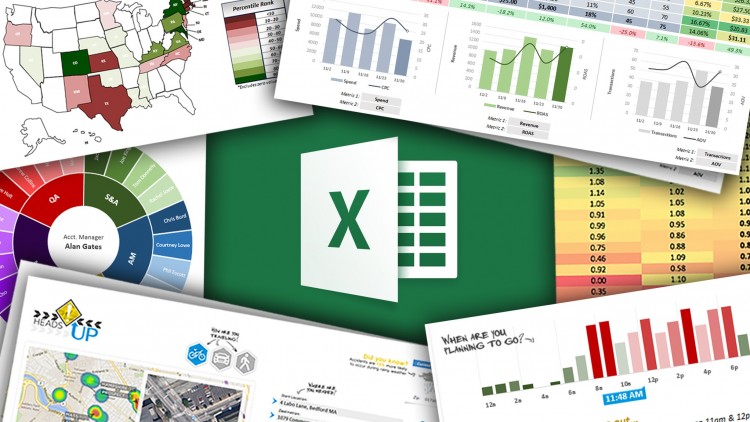
 One thing that you love about excel is data analysis. As a business person, you need to understand data so that you can make crucial decisions. They say data is the new gold, and with the right information, you can grow your business.


 Being introduced back then in the 2000s, online courses are no longer something new in today’s education world. Many departments and institutions have adopted this efficient method to reach those living thousands of miles away from the university. As time goes by, it is impressive that many are inspired to take this method. Universities are no longer the only official institutions providing this kind of service, and high schools and primary schools in many developing countries start to use the same way.